

A tear in the penile frenulum can look alarming because the area may bleed quickly. In many cases, a small tear is not dangerous, but recurrent tearing, severe pain, infection signs, tight foreskin, or difficulty retracting the foreskin should be assessed by a doctor. This guide explains what to do, what not to do, and when frenulum treatment may be appropriate.
What Is the Penile Frenulum?
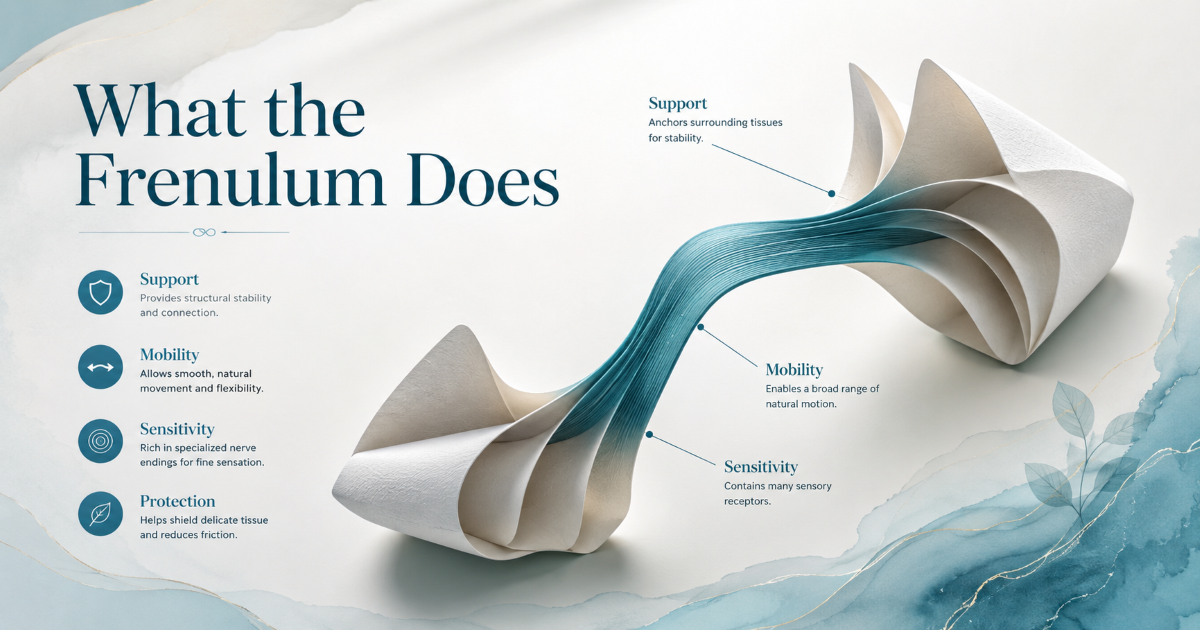
The penile frenulum is a small band of tissue on the underside of the penis that connects the glans to the foreskin in uncircumcised men. It can help guide foreskin movement and may be sensitive during sexual activity. Because it is thin and under tension during erection, it can tear if it is short, tight, inflamed, scarred, or pulled suddenly.
A short frenulum is often called frenulum breve. It may pull the glans downward during erection, cause pain, limit foreskin retraction, or tear during sex or masturbation. Not every frenulum issue needs surgery, but repeated symptoms should be evaluated rather than ignored.
Is a Torn Frenulum Dangerous?
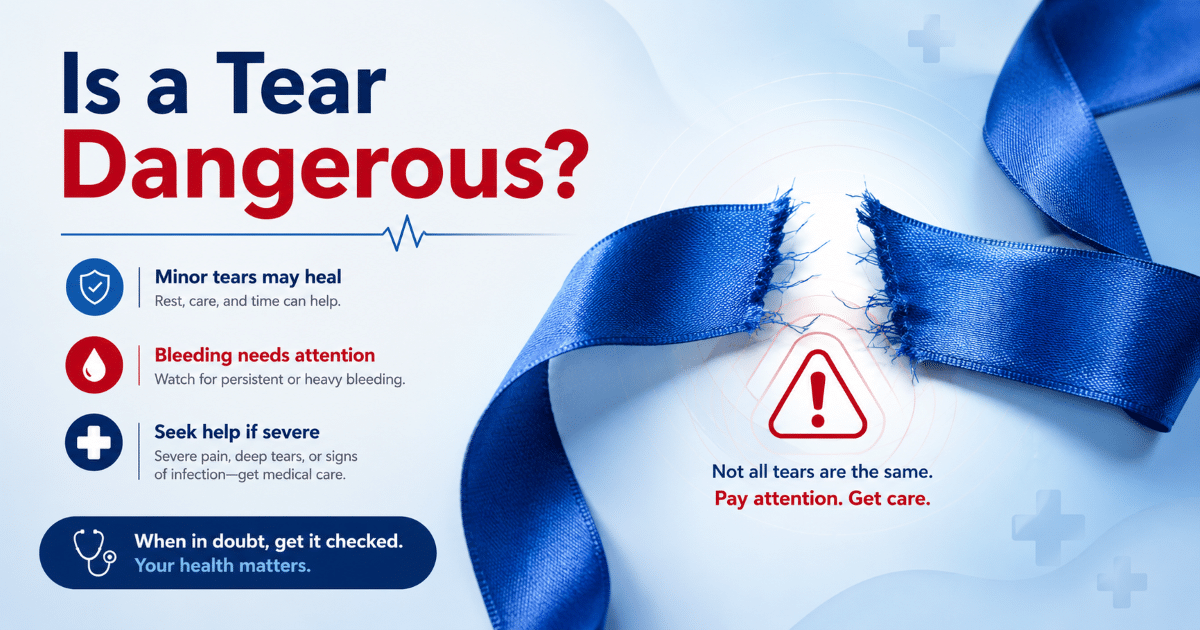
A small tear is not usually life-threatening. The area can bleed more than expected because the penis has a rich blood supply, especially during erection. However, the phrase “not dangerous” should not be misunderstood as “ignore it in every case.” The risk depends on the depth of the tear, bleeding, infection signs, foreskin position, and whether the problem repeats.
Repeated tearing at the same spotPossible frenulum breve, scarring, inflammation, or tight foreskin.Bleeding that does not stopDeeper tear or disrupted vessel may be possible.Redness, heat, pus, fever, worsening painPossible infection.Foreskin trapped behind the glansPossible paraphimosis, which can become urgent.
What to Do Right After a Frenulum Tear
Stop sexual activity
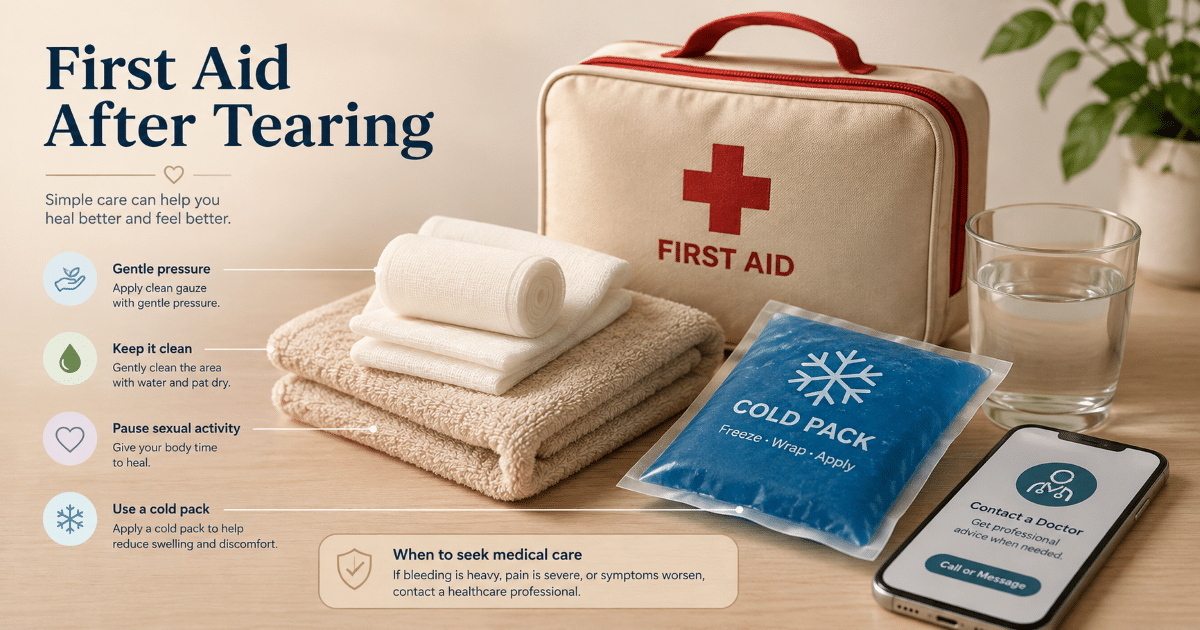
Do not continue sex or masturbation after a tear. Continuing can reopen the wound, worsen bleeding, and increase irritation.
Apply clean gentle pressure
Use clean gauze or a clean cloth and apply steady pressure. If bleeding does not settle, seek medical care.
Clean gently
Use clean water. Avoid alcohol, hydrogen peroxide, strong antiseptics, herbal pastes, or harsh soaps directly on the wound unless instructed by a clinician.
Avoid sex until healed
Friction can reopen the tear. Resume sexual activity only when pain, bleeding, and open skin have resolved and you feel comfortable.
Book assessment if it repeats
Recurrent tearing is a reason to check for frenulum breve, phimosis, inflammation, or scarring.
Why Does the Frenulum Tear?
The frenulum may tear when tissue tension exceeds its flexibility. This can happen during sex, masturbation, or forced foreskin retraction. A single episode may occur from friction or inadequate lubrication, while repeated tearing often suggests an anatomical or inflammatory contributor.
Short frenulum
Frenulum breve can pull during erection and make tearing more likely.
Tight foreskin
Phimosis or partial tightness can add traction and hygiene difficulty.
Inflammation
Balanitis, irritation, or scarring can make tissue less flexible.

How a Doctor Assesses a Torn or Tight Frenulum

A proper consultation should look beyond the tear itself. The doctor should check the frenulum length, foreskin mobility, signs of inflammation, scarring, phimosis, recurrent balanitis, hygiene difficulty, pain during erection, and whether the issue affects sex or confidence.
Foreskin retractionChecks for phimosis or tight foreskin.Inflammation or infectionActive infection can delay procedures.
Warning Signs: When to Seek Medical Care
Some symptoms should not be watched at home. Prompt assessment is important if there is ongoing bleeding, infection concern, severe swelling, urinary trouble, or a trapped foreskin.
Pus, fever, spreading redness, worsening painPossible infection.Foreskin stuck behind the glansPossible paraphimosis, which can restrict blood flow.Repeated tearingMay suggest frenulum breve or phimosis.Difficulty urinatingMay indicate swelling, infection, or foreskin obstruction.
FAQ About Torn Frenulum and Frenulum Removal
Is a torn frenulum dangerous?
A torn frenulum is often not dangerous if bleeding stops, pain is mild, and the wound heals normally. It should be assessed if bleeding continues, the tear is deep, pain is severe, infection signs appear, urination is affected, or tearing keeps happening.
Why does the penile frenulum tear?
The frenulum can tear when it is short or tight, during vigorous sex or masturbation, with inadequate lubrication, or when the foreskin is pulled back forcefully. Recurrent tearing may suggest frenulum breve, phimosis, inflammation, or scarring.
Do you always need frenulum removal after a tear?
No. A single minor tear may heal with wound care and temporary sexual rest. Frenulum surgery or removal may be discussed for recurrent tears, painful erections, tight foreskin, hygiene difficulty, or repeated inflammation after doctor assessment.
Can a tight frenulum affect sex?
Yes. A short or tight frenulum may cause pulling pain, tearing, bleeding, avoidance of sex, anxiety, or early ejaculation in some men. The effect varies, so treatment should be based on symptoms and anatomy rather than embarrassment or internet claims.
What warning signs need urgent medical care?
Seek medical care for bleeding that does not stop, spreading redness, pus, fever, severe swelling, worsening pain, a foreskin trapped behind the glans, inability to urinate, or dark color change of the glans or foreskin.
Medical References
This page is written for patient education and medical SEO clarity. It does not replace diagnosis, wound assessment, procedure planning, or consultation with a qualified clinician.
- Cleveland Clinic: Penis frenulum: location, function, and conditions
- Cleveland Clinic: Frenulum breve diagnosis and treatment
- British Association of Urological Surgeons: Frenuloplasty patient information
- NHS: Tight foreskin and urgent warning signs
- British Association of Urological Surgeons: Tight foreskin and paraphimosis guidance

Doctor Review and Medical Safety
A torn frenulum should be assessed by bleeding severity, recurrence, foreskin mobility, inflammation, pain during erection, and hygiene impact. A minor tear may heal with care, while recurrent tearing may require evaluation for frenulum breve, phimosis, balanitis, or scarring before selecting conservative care, frenuloplasty, frenulectomy, or circumcision.
Reviewed by: Dr. Beer, Eternity Clinic
Last content update: 30 June 2026

Latest Articles
What Are the Symptoms of Cystitis? This Article Has the Answers.
Cystitis is inflammation of the bladder. It is often caused by a bacterial bladder infection,
How to Care for Your Manhood to Keep It Strong and Disease-Free
Penis health is not only about sexual performance. It includes daily hygiene, foreskin care, safer
Permanent Solution for Premature Ejaculation with Surgery
Premature ejaculation can be distressing, but it should not be reduced to a single promise
Delayed Ejaculation: Is It Really Good? What to Do If You’re Facing This Issue
Delayed ejaculation may sound positive to some men, but when climax takes much longer than
How to Measure Condom Size Properly: Understanding Sizes 49, 52, 54, and 56
Condom size is not judged by length alone. For most men, the most useful measurement
Penile Enlargement With “Your Own Tissue” or “Your Own Fat”: Why It May Not Be Worth the Pain
Using your own tissue or your own fat can sound more natural than synthetic material,
Circumcision at a Clinic vs Hospital: How to Choose the Right Medical Setting
Adult circumcision can be planned in different medical settings. The safest choice depends on your
Adult Circumcision Explained: Benefits, Methods, Recovery, and Safety
Adult circumcision is a procedure to remove the foreskin covering the head of the penis.