

Sensation during intimacy is influenced by arousal, stress, communication, comfort, health, condom fit, lubrication, and relationship context. This guide explains practical ways to make intimacy feel more connected while keeping expectations realistic and medically safe.
Many couples can improve sensation by slowing down, reducing performance pressure, using clear communication, improving lubrication and condom fit, trying comfortable positions, caring for sleep and stress, and addressing erection, ejaculation, pain, infection, hormone, or medication concerns when present.
Why Can Sensation Change During Intimacy?

Sensation is not controlled by technique alone. It can change with stress, fatigue, anxiety, distraction, relationship tension, low arousal, condom fit, dryness, medication effects, alcohol, health conditions, and expectations around performance.
Body factors
Sleep, hormone balance, blood flow, nerve sensitivity, pelvic floor tension, medication effects, and general health can influence sensation.
Mind factors
Anxiety, pressure to perform, distraction, body image concern, and fear of failure can reduce awareness of pleasurable sensation.
Relationship factors
Trust, privacy, communication, unresolved tension, and shared expectations can shape comfort and arousal.
10 Techniques to Enhance Sensation During Sexual Intimacy
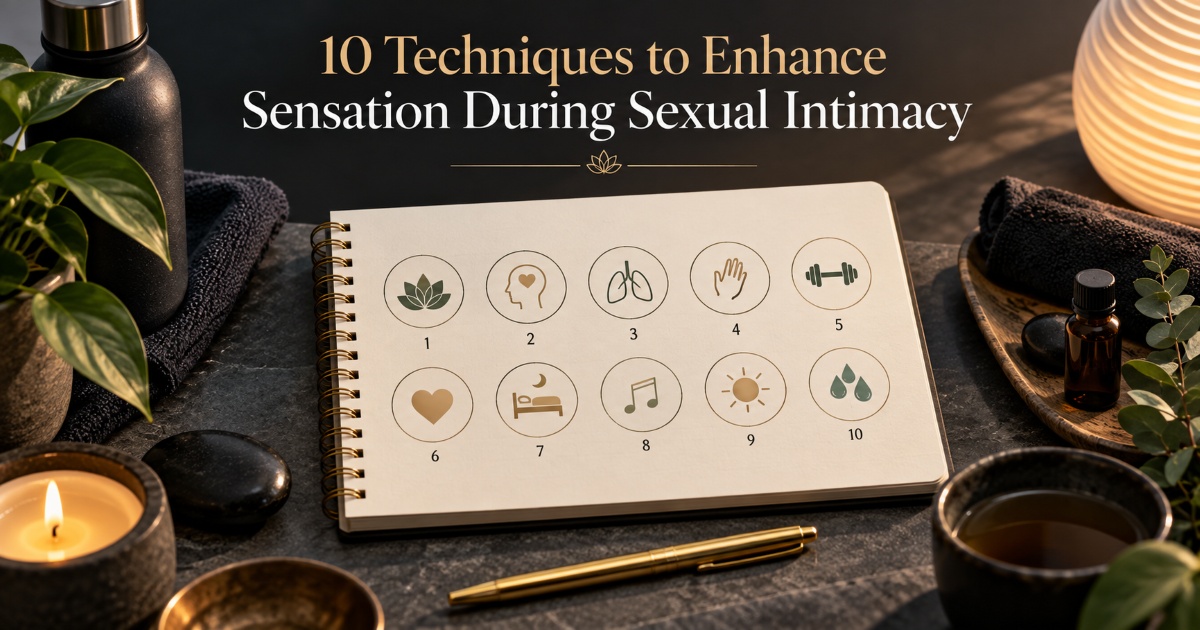
These techniques are intended as patient education. They should be adapted to comfort, consent, cultural context, health status, and partner preference.
Slow the pace
Rushing can reduce awareness. Slower pacing allows both partners to notice comfort, arousal, breathing, and pressure.
Reduce performance pressure
Focus on connection and comfort instead of a fixed outcome. Performance anxiety can interfere with desire, erection quality, and sensation.
Use clear feedback
Simple feedback about pressure, rhythm, lubricant, and comfort is often more useful than guessing.
Improve lubrication
Dryness and friction can reduce comfort. Use a condom-compatible lubricant and stop if irritation occurs.
Check condom fit
A condom that is too tight, loose, dry, or distracting may affect sensation and protection. Fit and correct use matter.
Change only one variable at a time
Try adjusting time of day, privacy, pace, lubricant, or position one by one so both partners can learn what helps.
Support arousal before penetration
Many people need enough mental and physical arousal before stronger sensation is noticed.
Address stress and sleep
Fatigue, anxiety, and poor sleep can reduce libido, erection quality, and emotional connection.
Avoid painful friction
Pain is not a sign of better sensation. Stop, add lubricant, change pace, or seek care if pain persists.
Seek help when symptoms persist
Persistent sensation changes may relate to ED, premature ejaculation, prostatitis, diabetes, medication effects, hormones, nerve issues, or relationship distress.
Communication and Pacing Matter More Than a Perfect Technique

Open communication can reduce anxiety and help both partners understand what feels comfortable. It also makes it easier to talk about condoms, lubricant, discomfort, desire mismatch, and when to stop.
| Communication point | Why it helps | Example wording |
|---|---|---|
| Comfort check | Prevents pain, pressure, or unwanted friction from being ignored. | Does this pressure feel comfortable? |
| Pace check | Helps partners adjust rhythm and arousal without blame. | Slower feels better right now. |
| Condom or lubricant check | Improves safety, comfort, and fit. | Let’s add more lubricant or try a better fit. |
| Stop signal | Protects consent and safety. | Let’s pause. Something does not feel right. |
Condoms, Lubricant, and Comfort Tools
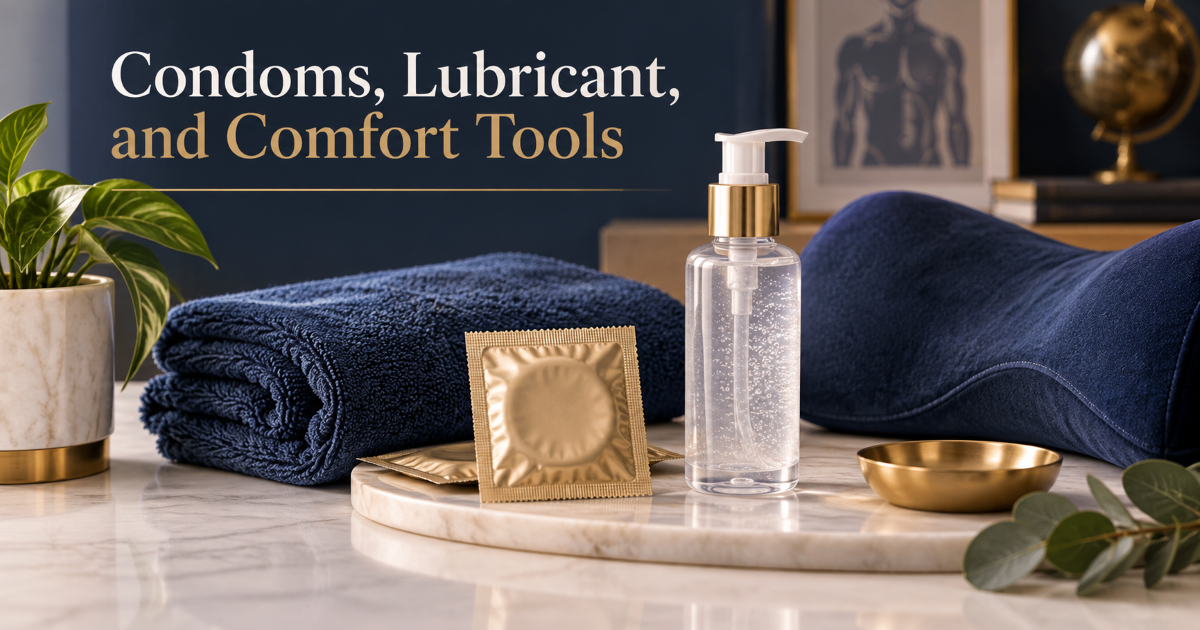
Some sensation concerns are not psychological or medical. They may come from a condom that fits poorly, insufficient lubricant, irritation, dryness, or products that are not compatible with condoms.
Condom fit
Too tight may feel restrictive. Too loose may slip. Fit should support both comfort and protection.
Lubricant choice
Water-based and silicone-based lubricants are commonly used with latex condoms. Oil-based products can weaken latex.
Irritation check
Burning, rash, swelling, or persistent discomfort may suggest irritation, allergy, infection, or another condition.
Health Factors That Can Affect Sensation

When reduced sensation is persistent or distressing, it is worth checking broader health factors rather than assuming the problem is only technique.
| Factor | Possible connection | What to consider |
|---|---|---|
| Stress and anxiety | Can reduce arousal, focus, desire, erection quality, and awareness of sensation. | Sleep, privacy, pacing, counselling, and anxiety management may help. |
| Erectile dysfunction | Reduced firmness can change friction, confidence, and sensation. | Medical assessment may look at vascular, metabolic, medication, and psychological causes. |
| Premature ejaculation concern | Fear of finishing quickly can shift attention away from sensation and connection. | Behavioural strategies, counselling, and medical options may be discussed. |
| Medication or alcohol | Some medications and alcohol can affect libido, erection, orgasm, or sensation. | Do not stop prescribed medication without medical advice. |
| Diabetes or nerve issues | Nerve or blood-flow problems can affect genital sensation. | Persistent numbness deserves medical review. |
What About Pearl Implantation or Physical Modification?
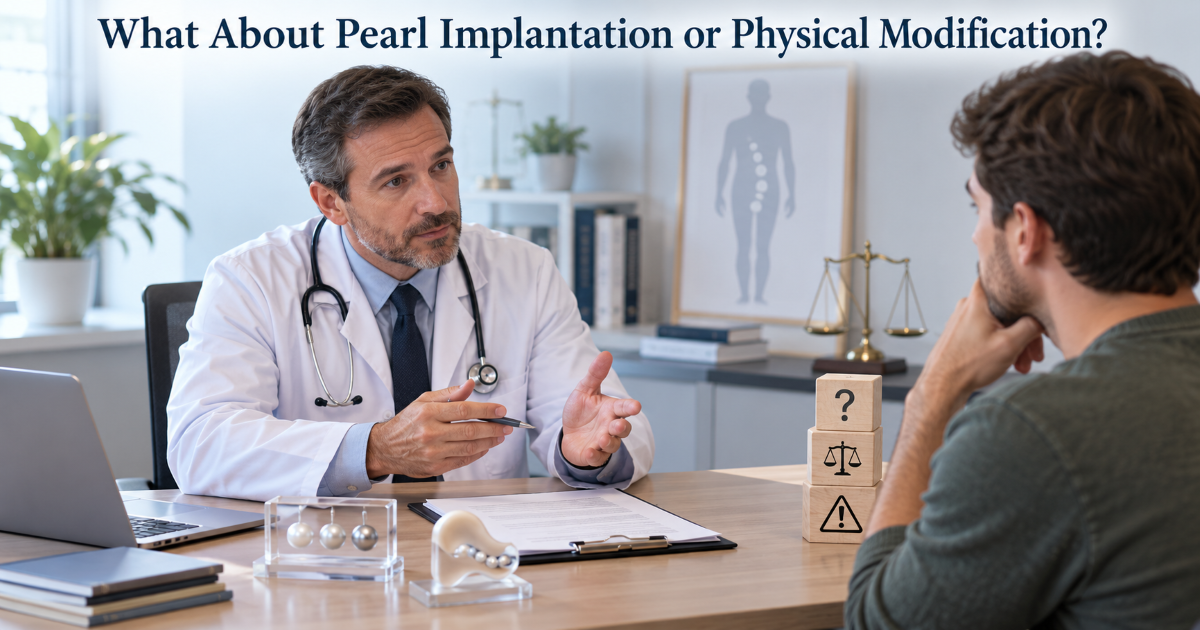
Some readers may be curious about physical modifications such as pearl implantation. This topic should be approached carefully. A procedure may change texture or appearance, but it cannot guarantee stronger sensation, better partner pleasure, or improved sexual performance.
Not for everyone
Suitability depends on anatomy, skin condition, medical history, expectations, and ability to follow aftercare.
Risk exists
Potential concerns include infection, inflammation, pain, scarring, partner discomfort, aesthetic dissatisfaction, and revision needs.
Expectations matter
Procedure counselling should be specific about limitations and should not frame sensation improvement as guaranteed.
When Should You See a Doctor?

Medical consultation is recommended when sensation changes are sudden, persistent, painful, distressing, or associated with other symptoms. A clinician can help distinguish normal variation from erectile dysfunction, infection, nerve changes, hormone issues, medication effects, pelvic floor concerns, or relationship-related sexual distress.
| Concern | Why assessment helps | Possible next step |
|---|---|---|
| Persistent numbness | May involve nerve, metabolic, medication, or circulation factors. | Medical history, exam, and targeted testing if needed. |
| Pain during intimacy | Pain can signal irritation, infection, skin problems, curvature, or injury. | Stop painful activity and seek assessment. |
| Erection changes | ED can relate to cardiovascular, metabolic, hormonal, medication, or psychological factors. | Doctor-led evaluation and safe treatment planning. |
| Ejaculation concerns | Timing concerns can affect confidence and sensation awareness. | Behavioural, counselling, and medical options may be discussed. |
| Major anxiety | Performance anxiety can create a cycle of fear and reduced confidence. | Education, communication planning, counselling, or sex therapy referral. |
FAQ About Enhancing Sensation During Intimacy
Can sensation during sexual intimacy improve without medication or procedures?
Often, yes. Communication, pacing, lower anxiety, adequate rest, lubricant choice, condom fit, and attention to comfort can improve the experience for many couples. Persistent numbness, pain, erection problems, ejaculation problems, or low desire should be discussed with a qualified clinician.
Does reduced sensation always mean a medical problem?
No. Sensation can vary with stress, fatigue, distraction, relationship tension, alcohol, medications, condom fit, lubrication, and arousal. Medical review is appropriate when the change is persistent, distressing, painful, sudden, or associated with erectile, ejaculation, urinary, hormonal, or neurological symptoms.
Are condoms and lubricants related to sensation?
They can be. Condom thickness, size, tightness, slippage, dryness, and lubricant compatibility can affect comfort and sensation. Use condom-safe lubricant and avoid oil-based products with latex condoms.
Can pearl implantation or other physical modification guarantee stronger sensation?
No. Physical modifications cannot guarantee better sensation, partner pleasure, or sexual performance. They require careful counselling about suitability, infection risk, healing, scarring, partner comfort, and realistic expectations.
When should a man see a doctor about sensation changes?
Seek medical advice if reduced sensation is persistent, sudden, painful, linked with erection problems, ejaculation problems, penile curvature, numbness, urinary symptoms, suspected infection, medication changes, diabetes, hormone concerns, or major anxiety around intimacy.
Medical References
This page is written for patient education and medical SEO clarity. It does not replace diagnosis, individual treatment planning, relationship counselling, sex therapy, or urgent medical care.
- Mayo Clinic: Sexual health overview
- Mayo Clinic Health System: Low libido and sexual health factors
- Cleveland Clinic: Sexual performance anxiety
- NHS: Low sex drive
- European Society for Sexual Medicine: Sexual desire discrepancy position statement

Doctor Review and Medical Safety
Changes in sensation should be discussed with realistic expectations. Many non-procedure steps can improve comfort and connection, but persistent numbness, pain, erectile dysfunction, ejaculation problems, suspected infection, or major anxiety should be assessed rather than handled through trial and error alone.
Reviewed by: Dr. Beer, Eternity Clinic
Last content update: 7 September 2026

Latest Articles
What Are the Symptoms of Cystitis? This Article Has the Answers.
Cystitis is inflammation of the bladder. It is often caused by a bacterial bladder infection,
How to Care for Your Manhood to Keep It Strong and Disease-Free
Penis health is not only about sexual performance. It includes daily hygiene, foreskin care, safer
Permanent Solution for Premature Ejaculation with Surgery
Premature ejaculation can be distressing, but it should not be reduced to a single promise
Delayed Ejaculation: Is It Really Good? What to Do If You’re Facing This Issue
Delayed ejaculation may sound positive to some men, but when climax takes much longer than
How to Measure Condom Size Properly: Understanding Sizes 49, 52, 54, and 56
Condom size is not judged by length alone. For most men, the most useful measurement
Penile Enlargement With “Your Own Tissue” or “Your Own Fat”: Why It May Not Be Worth the Pain
Using your own tissue or your own fat can sound more natural than synthetic material,
Circumcision at a Clinic vs Hospital: How to Choose the Right Medical Setting
Adult circumcision can be planned in different medical settings. The safest choice depends on your
Adult Circumcision Explained: Benefits, Methods, Recovery, and Safety
Adult circumcision is a procedure to remove the foreskin covering the head of the penis.