Sex can support intimacy, mood, sleep, stress relief, and relationship wellbeing for many people. Some studies also link sexual activity or ejaculation frequency with certain health markers. The safer interpretation is balanced: sex may be part of a healthy life, but it is not a guaranteed treatment, not a substitute for medical care, and not risk-free without consent, protection, and appropriate screening.
Healthy, consensual sex may help some people feel closer to a partner, reduce stress, sleep better, improve mood, and maintain sexual confidence. Research also discusses possible links with cardiovascular health and prostate health, but these findings should be interpreted carefully. Sex does not prevent disease by itself, does not replace exercise, and should not be used as a reason to ignore symptoms or skip screening.
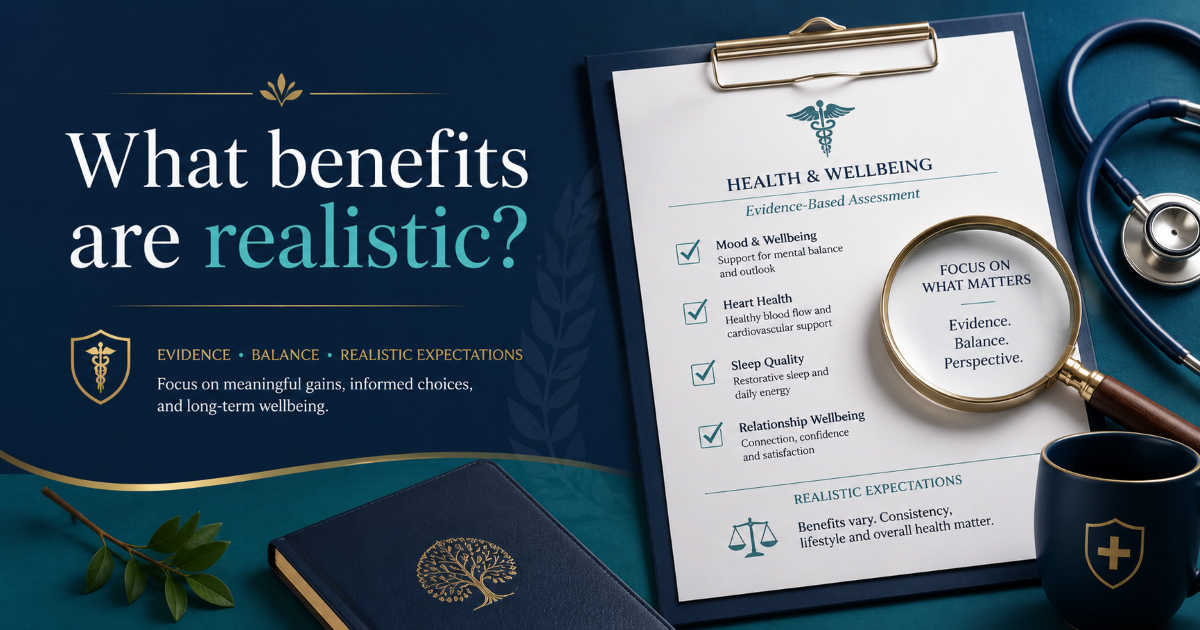
What Benefits of Sex Are Realistic?
Sexual activity can be part of physical, emotional, and relationship health when it is wanted, safe, and respectful. The most practical benefits are usually not dramatic medical claims. They are everyday outcomes: intimacy, pleasure, relaxation, communication, body confidence, and a stronger sense of connection with a partner.
Evidence around sex and long-term disease outcomes is more complicated. Many studies are observational, meaning they can show association but not prove that sex alone caused the health benefit. Healthier people may have more sex because they are already healthier, more active, or in more stable relationships.
Stress, Mood, Intimacy, and Sleep
For many people, sex can create a short-term relaxation effect. Pleasure, touch, emotional closeness, and orgasm may be linked with changes in hormones and neurotransmitters involved in bonding, stress regulation, and calmness. This is one reason some people feel less tense or sleepier after sex.
Stress relief
Sex may reduce stress for some people when the experience is safe, wanted, and emotionally comfortable.
Better sleep
Some people sleep better after orgasm or intimate contact, but sleep response varies by person and situation.
Relationship connection
Mutual pleasure and communication can strengthen intimacy, but sex should not be pressured or used as proof of love.
Heart Health: Does Sex Count as Exercise?
Sexual activity uses energy and may feel like moderate physical activity for some people, but it should not be treated as a full replacement for structured exercise. Heart safety depends on your baseline health, symptoms, fitness level, medication use, and whether cardiovascular disease is stable.
| Situation | Practical interpretation | Safer next step |
|---|---|---|
| Stable health and good exercise tolerance | Sex is usually low to moderate exertion for many people. | Maintain exercise, sleep, nutrition, and routine checkups. |
| Chest pain, severe shortness of breath, fainting, or unstable heart symptoms | Sex may not be safe until the condition is assessed and stabilized. | Ask a clinician before resuming sexual activity. |
| ED plus cardiovascular risk factors | Erectile dysfunction can overlap with vascular health issues. | Consider a men’s health and cardiovascular risk assessment. |
| Using ED medication | Some drug combinations can be unsafe, especially nitrates. | Tell the doctor all heart medications before using ED treatment. |
Ejaculation Frequency and Prostate Health
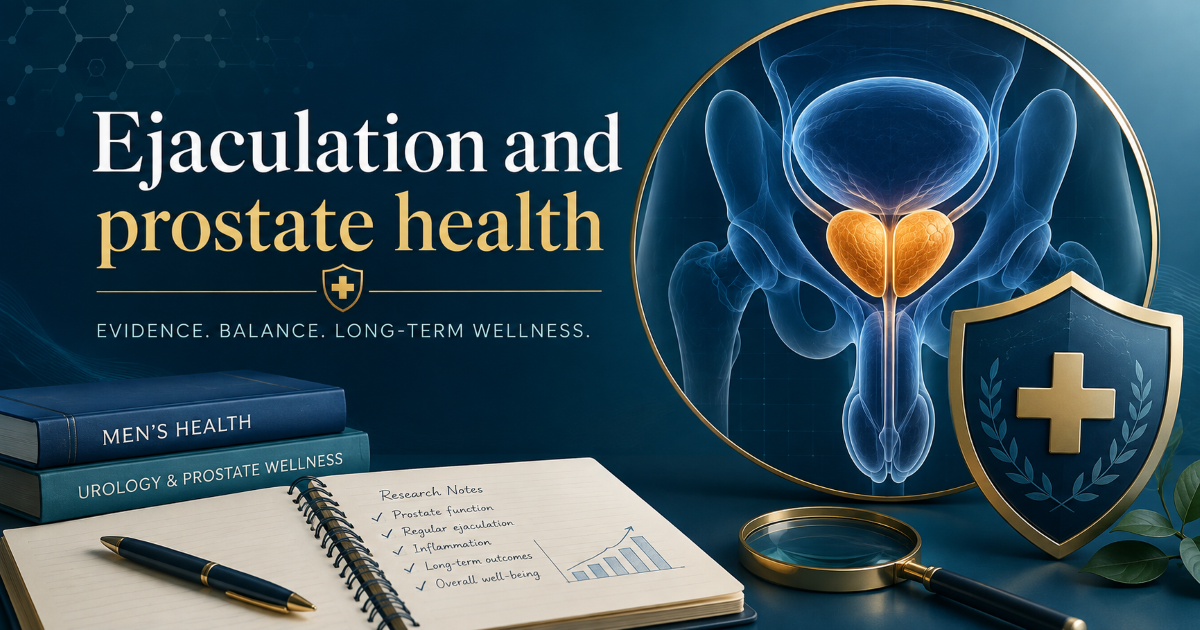
Some long-term observational studies have reported an association between more frequent ejaculation and lower prostate cancer risk. This does not mean ejaculation prevents prostate cancer for every man. It also does not replace screening decisions, family history review, or medical evaluation for urinary symptoms.
What research can suggest
- There may be an association between ejaculation frequency and prostate health markers.
- Sexual expression may form part of overall wellbeing.
- More research is needed to explain mechanisms and individual risk.
What it cannot promise
- No guarantee of prostate cancer prevention.
- No replacement for screening when appropriate.
- No reason to ignore urinary symptoms, blood in urine, pelvic pain, or family risk.
Hormones, Confidence, and Appearance Claims
Sexual arousal and orgasm involve many body systems, including blood flow, hormones, nerves, skin sensation, and emotions. Some people feel more relaxed, confident, or attractive after satisfying sex. However, claims that sex directly improves skin, reverses aging, raises testosterone in a clinically meaningful way, or transforms appearance should be treated cautiously.
| Claim | Safer interpretation | Medical note |
|---|---|---|
| Sex boosts hormones | Short-term hormonal changes may occur, but this is not the same as treating hormone deficiency. | Low testosterone requires symptom review and blood testing. |
| Sex improves skin | Relaxation and circulation may affect how someone feels, but acne, skin disease, and aging need appropriate care. | Do not replace dermatology or hormone assessment with lifestyle claims. |
| Sex improves confidence | Positive sexual experiences may support confidence and connection. | Ongoing shame, anxiety, body image distress, or sexual dysfunction can be discussed confidentially. |
Safer Sex Checklist
The benefits of sex are more likely when sex is consensual, informed, and medically safer. STI prevention, contraception planning, and communication should be part of the conversation, not an afterthought.
Confirm consent and comfort
Sex should be wanted by all partners. Stop if there is pain, pressure, fear, or discomfort.
Use protection when STI risk exists
Condoms can reduce STI and pregnancy risk when used correctly and consistently, but they do not remove all risk.
Consider STI testing
Many STIs can be mild or asymptomatic. Testing is important after new partners, exposure concerns, symptoms, or condom breakage.
Plan contraception if pregnancy is possible
Do not rely on timing or withdrawal alone if avoiding pregnancy is important.
Address sexual function problems early
ED, premature ejaculation, pain, low libido, curvature, sores, or discharge are medical issues that can be assessed privately.
When to See a Doctor
Sexual health is part of general health. A confidential consultation can help separate normal variation from a problem that needs testing, treatment, or referral.
| Symptom or concern | Why it matters | Suggested action |
|---|---|---|
| Pain during sex or ejaculation | May involve infection, inflammation, pelvic floor issues, frenulum tears, phimosis, or prostate concerns. | Schedule a medical assessment. |
| Discharge, sores, rash, or burning urination | May suggest STI or another infection. | Get tested and avoid sex until assessed. |
| Erectile dysfunction or sudden erection change | Can overlap with vascular, hormonal, medication, stress, or relationship factors. | Review ED and cardiovascular risk factors. |
| Chest pain, fainting, severe shortness of breath during sex | Could be cardiovascular warning symptoms. | Seek urgent medical care. |
| Sexual anxiety, body image distress, or relationship pressure | May affect wellbeing and sexual function. | Discuss with a qualified clinician or therapist. |
FAQ About the Health Benefits of Sex
Is sex actually good for your health?
Healthy, consensual sex may support emotional connection, relaxation, mood, sleep, and relationship wellbeing for some people. Long-term disease claims should be interpreted carefully because many studies show association, not guaranteed cause and effect.
Does ejaculation lower prostate cancer risk?
Some observational studies report an association between higher ejaculation frequency and lower prostate cancer risk. This should not be treated as guaranteed prevention. Age, family history, screening, diet, lifestyle, and medical history remain important.
Is sex safe for the heart?
For many people with stable health, sex is similar to moderate physical activity. People with chest pain, unstable heart symptoms, severe shortness of breath, or recent cardiac events should ask a clinician before resuming sex.
Can sex replace exercise?
No. Sex uses energy, but it should not replace regular exercise, sleep, nutrition, cardiovascular care, or medical treatment.
How can I make sex safer?
Use consent, communication, condoms when STI risk exists, STI testing when appropriate, contraception planning when pregnancy is possible, and medical assessment for pain, bleeding, discharge, sores, ED, premature ejaculation, or anxiety.
Medical References
This page is written for patient education and medical SEO clarity. It does not replace diagnosis, STI testing, cardiovascular clearance, mental health care, or individualized medical advice.
- American Heart Association: Sex and heart disease
- PubMed Central: The Health Benefits of Sexual Expression
- European Urology: Ejaculation Frequency and Risk of Prostate Cancer
- CDC: Condom use overview
- WHO: Condoms fact sheet

Doctor Review and Medical Safety
The benefits of sex should be discussed with realistic expectations. Healthy sex can support wellbeing when it is consensual, comfortable, and safe, but it is not a guaranteed treatment for disease. Medical review is appropriate when sex is linked with pain, infection symptoms, erectile dysfunction, premature ejaculation, anxiety, relationship distress, or heart symptoms.
Reviewed by: Dr. Beer, Eternity Clinic
Last content update: 30 June 2026

Latest Articles
What Are the Symptoms of Cystitis? This Article Has the Answers.
Cystitis is inflammation of the bladder. It is often caused by a bacterial bladder infection,
How to Care for Your Manhood to Keep It Strong and Disease-Free
Penis health is not only about sexual performance. It includes daily hygiene, foreskin care, safer
Permanent Solution for Premature Ejaculation with Surgery
Premature ejaculation can be distressing, but it should not be reduced to a single promise
Delayed Ejaculation: Is It Really Good? What to Do If You’re Facing This Issue
Delayed ejaculation may sound positive to some men, but when climax takes much longer than
How to Measure Condom Size Properly: Understanding Sizes 49, 52, 54, and 56
Condom size is not judged by length alone. For most men, the most useful measurement
Penile Enlargement With “Your Own Tissue” or “Your Own Fat”: Why It May Not Be Worth the Pain
Using your own tissue or your own fat can sound more natural than synthetic material,
Circumcision at a Clinic vs Hospital: How to Choose the Right Medical Setting
Adult circumcision can be planned in different medical settings. The safest choice depends on your
Adult Circumcision Explained: Benefits, Methods, Recovery, and Safety
Adult circumcision is a procedure to remove the foreskin covering the head of the penis.